What is Oligohydramnios?
Oligohydramnios is a condition where there is too little amniotic fluid around a baby during pregnancy. Amniotic fluid is the liquid that surrounds the baby in the womb. It helps protect the baby and allows for healthy growth. When the fluid level drops too low, it can cause problems for both the mother and the baby. Early detection and proper care are important for managing oligohydramnios.
Causes of Oligohydramnios
There are several reasons why oligohydramnios can happen. Sometimes, it is linked to the mother’s health. Other times, it is related to the baby or the placenta. Here are some common causes:
Because causes can vary, doctors often look at the whole picture before making a diagnosis.
Common Symptoms and Warning Signs
Oligohydramnios may not always cause clear symptoms. However, some warning signs can help you notice a problem early. For example, you might feel less movement from your baby. Sometimes, your belly may seem smaller than expected for your stage of pregnancy. In addition, you may notice a slow leak of fluid from the vagina. If you have any of these signs, it is important to tell your doctor right away.
Diagnosis: How Oligohydramnios is Detected
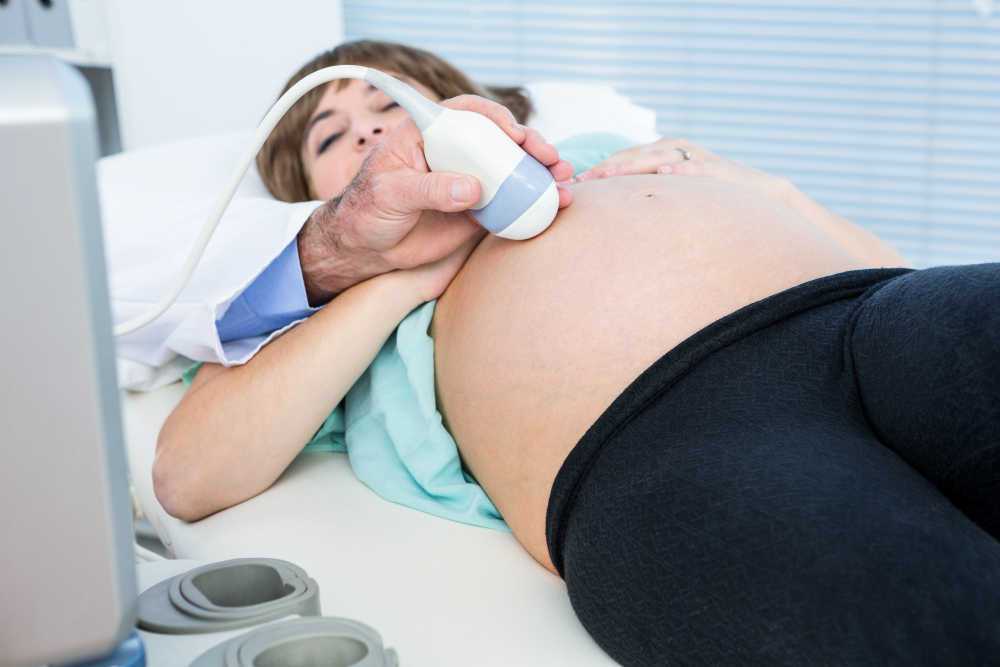
Doctors use several methods to detect oligohydramnios. First, they may measure your belly during regular check-ups. If your belly measures smaller than expected, they may order an ultrasound. An ultrasound lets doctors see the amount of amniotic fluid around the baby. They often use a test called the Amniotic Fluid Index (AFI) or the single deepest pocket measurement. If the fluid is too low, they will confirm oligohydramnios. Sometimes, doctors may also check for leaks or other health problems.
Treatment Options and Management Strategies
Treatment for oligohydramnios depends on how far along you are in your pregnancy and how low the fluid is. In mild cases, doctors may simply watch you more closely. However, if fluid levels are very low or if the baby is at risk, treatment may include:
Doctors will choose the best plan based on your health and your baby’s needs.
Lifestyle Tips and Prevention
While not all cases can be prevented, you can take steps to lower your risk. For instance, staying well-hydrated is important. Regular prenatal visits help catch problems early. If you have a health condition like diabetes, keeping it under control can help. Also, avoid smoking and follow your doctor’s advice for a healthy pregnancy. These steps may help reduce the risk of oligohydramnios.
When to Seek Medical Help
If you notice less movement from your baby, or if you think you are leaking fluid, contact your doctor right away. In addition, if you have any concerns about your pregnancy, do not wait to ask for help. Early care can make a big difference for you and your baby.
For personalized advice about oligohydramnios, consult Dr. Saritha, a healthcare provider at Dr. Saritha’s Gynecology and Infertility Clinic. They can guide you based on your unique situation.