Introduction
Pelvic Inflammatory Disease (PID) is a serious infection of the female reproductive organs. It affects the uterus, fallopian tubes, and ovaries. Because PID can lead to lasting health problems, it is important to know its signs and how to prevent it. Many women do not realize they have PID until they notice symptoms or face complications. Therefore, learning about PID helps protect female reproductive health and prevent pelvic infections.
What is Pelvic Inflammatory Disease (PID)?
PID is an infection that spreads from the vagina to the upper parts of the female reproductive system. Usually, bacteria cause this infection. Often, these bacteria enter the body during unprotected sex. However, other ways, like after childbirth or certain medical procedures, can also lead to PID. If left untreated, PID can cause pain and long-term health issues.
Common Symptoms and Warning Signs
Sometimes, PID does not cause clear symptoms. Yet, many women notice warning signs. Early detection is key. Watch for these symptoms:
If you notice any of these signs, seek medical help right away. Early treatment can prevent serious problems.
Main Causes and Risk Factors
Most cases of PID are caused by bacteria from sexually transmitted infections (STIs), such as chlamydia or gonorrhea. However, other bacteria can also cause PID. Several risk factors increase the chance of getting PID:
Because these factors raise the risk, it is important to practice safe sex and get regular health checks.
How PID is Diagnosed
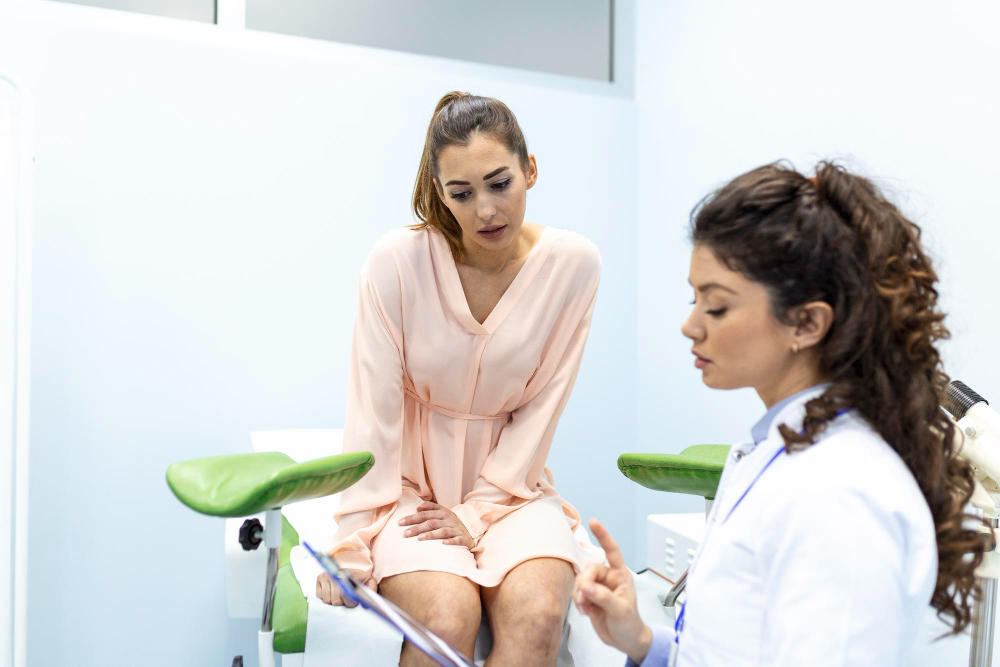
Doctors use several steps to diagnose PID. First, they ask about your symptoms and medical history. Next, they perform a pelvic exam to check for tenderness or swelling. Sometimes, doctors collect samples of vaginal fluid to test for infections. In some cases, they may order blood tests, urine tests, or an ultrasound. These tests help rule out other causes and confirm PID. Early diagnosis leads to better outcomes.
Treatment Options and Recovery
PID treatment usually involves antibiotics. Doctors often start treatment right away, even before test results return. This helps prevent further damage. In most cases, oral antibiotics are enough. However, some women may need hospital care if symptoms are severe. It is important to finish all prescribed medicine, even if you feel better. Partners should also get tested and treated to avoid reinfection. With prompt care, most women recover fully.
Long-Term Effects and Complications
If PID is not treated early, it can cause lasting problems. Some possible complications include:
Because these effects can be serious, early treatment and prevention are very important.
Prevention Tips and Healthy Lifestyle Guidance
While not all cases of PID can be prevented, you can lower your risk by following these tips:
Additionally, maintaining good personal hygiene and open communication with your healthcare provider can help protect your reproductive health.
Conclusion
Pelvic Inflammatory Disease is a serious health issue, but early action can make a big difference. If you notice any symptoms or have concerns about PID, consult Dr. Sarith’s Gynecology and Infertility for personalized advice on Pelvic Inflammatory Disease. Taking steps to prevent PID helps protect your long-term health and well-being.