Introduction to Premenstrual Syndrome (PMS)
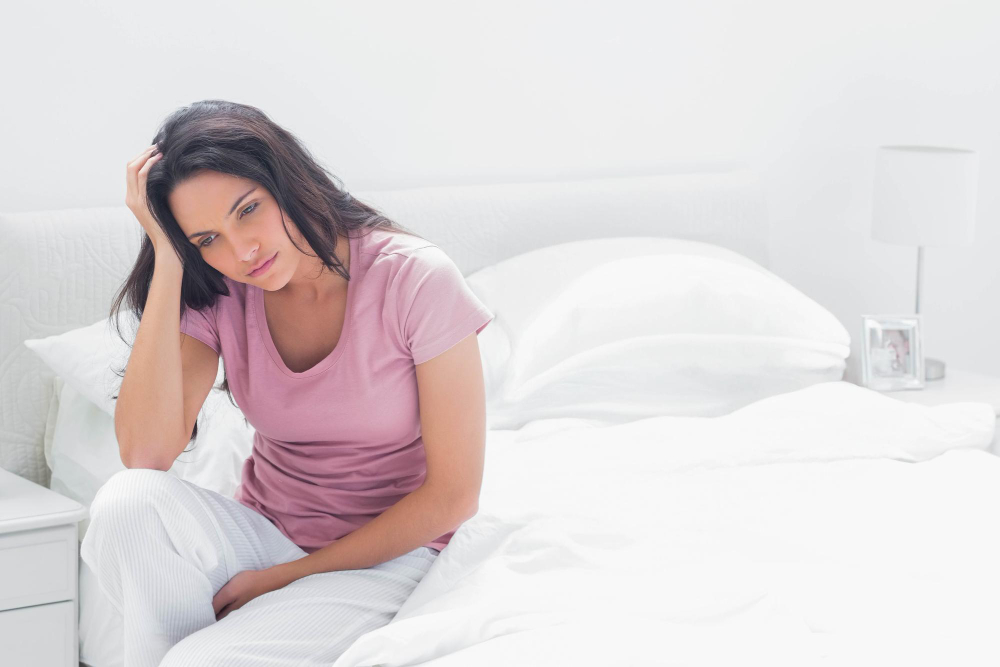
Premenstrual Syndrome, or PMS, affects many women before their period. It causes both physical and emotional symptoms. Often, these symptoms appear one to two weeks before menstruation. Because PMS can disrupt daily life, understanding it is important. In this blog, you will learn about PMS symptoms, causes, diagnosis, and how to manage PMS effectively.
Common Symptoms of PMS
PMS symptoms can vary from person to person. However, most women notice changes each month. Some symptoms are mild, while others can be severe. For example, you may feel tired or moody. Below are common PMS symptoms:
Although these symptoms are common, not everyone will have all of them. Sometimes, symptoms can change from month to month.
Causes and Risk Factors
While the exact cause of Premenstrual Syndrome is not fully known, experts believe hormone changes play a big role. Each month, hormone levels rise and fall. Because of these changes, some women are more sensitive and develop PMS symptoms. Other possible causes include:
Some women are at higher risk for PMS. For instance, if you have a family history of PMS or depression, you may be more likely to experience it. Age can also be a factor, as PMS is more common in women in their late 20s to early 40s.
Diagnosis of PMS
Doctors diagnose PMS based on your symptoms and their timing. Usually, they will ask you to keep a diary of your symptoms for at least two menstrual cycles. This helps show if your symptoms are linked to your period. In some cases, your doctor may do blood tests to rule out other conditions. However, there is no single test for PMS. Because of this, tracking your symptoms is very helpful.
Treatment and Management Options
There are many ways to manage PMS symptoms. Treatment depends on how severe your symptoms are. For mild symptoms, lifestyle changes may help. However, if symptoms are severe, your doctor may suggest medication. Common PMS treatment options include:
Because each person is different, your doctor will help find the best treatment for you.
Lifestyle Tips for PMS Relief
Simple lifestyle changes can make a big difference. For instance, regular exercise can help reduce stress and improve mood. Eating a balanced diet is also important. Here are some helpful tips:
Although these tips may not cure PMS, they can help you feel better each month.
Prevention Strategies
While you may not be able to prevent PMS completely, you can lower your risk. For example, staying active and eating healthy foods can help. Managing stress is also important. In addition, keeping a symptom diary can help you spot patterns and triggers. This way, you can take steps early to reduce symptoms.
When to See a Doctor
Sometimes, PMS symptoms can be severe and affect your daily life. If you notice your symptoms are getting worse or do not improve with home care, it is time to see a doctor. Also, if you feel very sad or have thoughts of harming yourself, seek help right away. Your doctor can suggest the best PMS treatment options for you.
Conclusion and Call-to-Action
PMS is common, but you do not have to suffer in silence. Many women find relief with simple changes or medical help. If you experience severe PMS symptoms, consult Dr. Sarith’s Gynecology and Infertility Clinic for personalized advice. Early support can make a big difference in your well-being.